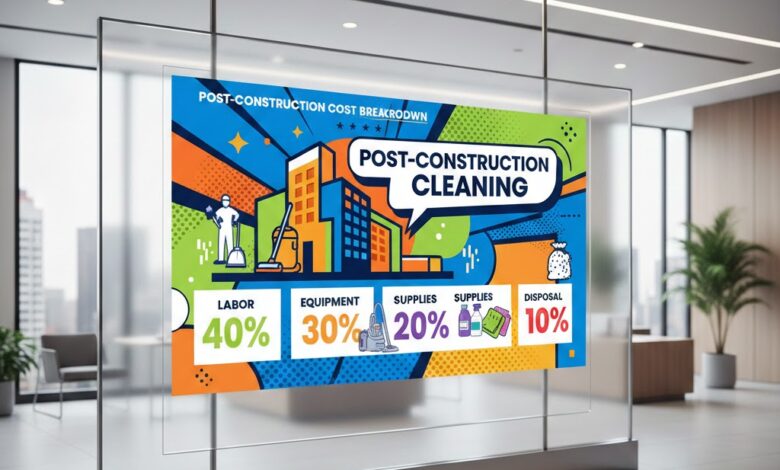
Post-construction cleaning cost breakdown refers to a detailed explanation of how much it typically costs to clean a space after construction or renovation, and what factors influence those prices. Whether it’s a newly built home, a remodeled office, or a commercial development nearing completion, construction debris, dust, and residue must be thoroughly removed before the space is usable. Understanding these costs helps property owners, contractors, and developers budget realistically and avoid unpleasant surprises at the end of a project.
Unlike regular cleaning, post-construction cleaning is a specialized service. It involves heavy-duty labor, specialized tools, safety precautions, and often multiple cleaning phases. This article breaks down those costs in practical terms, explains what you’re paying for, and helps you decide how to approach post-construction cleaning wisely.
What Is Post-Construction Cleaning?
Post-construction cleaning is the process of deep cleaning a property after construction, renovation, or remodeling work has been completed. This type of cleaning removes construction dust, drywall residue, paint splatters, adhesive marks, sawdust, and leftover materials that standard cleaning services are not equipped to handle.
This service is typically performed after builders have finished their work but before occupants move in or the space is handed over to the owner. It ensures the property is safe, hygienic, and visually presentable.
Post-construction cleaning is commonly divided into phases. An initial rough clean removes large debris and dust buildup. A detailed clean focuses on surfaces, fixtures, and hard-to-reach areas. A final touch-up clean ensures the space is spotless and move-in ready.
Why Post-Construction Cleaning Is Necessary
Construction sites may look finished at a glance, but fine dust and debris linger everywhere. These particles can affect air quality, damage finishes, and create safety hazards if not removed properly.
Post-construction cleaning protects new materials such as flooring, cabinetry, and glass from long-term damage. It also ensures compliance with safety and hygiene standards, especially in commercial or public buildings.
For property owners, it provides peace of mind. For contractors, it helps deliver a professional final product. For businesses, it allows operations to begin without delays caused by unfinished cleanup.
Main Factors That Affect Post-Construction Cleaning Costs
There is no single fixed price for post-construction cleaning. Costs vary widely depending on several key factors that directly impact labor, time, and resources required.
Size of the Property
Square footage is one of the biggest cost drivers. Larger spaces require more time, more cleaners, and more equipment. Residential apartments will naturally cost less than multi-floor commercial buildings.
Type of Property
Residential, commercial, and industrial properties have different cleaning needs. Homes typically require less intensive work compared to retail stores, offices, or medical facilities, which must meet stricter cleanliness standards.
Level of Construction Mess
A light renovation creates far less debris than a full structural build. Properties with heavy drywall dust, cement residue, or paint overspray will cost more to clean thoroughly.
Cleaning Scope and Detail Level
Basic post-construction cleaning may include floors, windows, and surface dusting. Full-service cleaning often covers inside cabinets, vents, light fixtures, baseboards, appliances, and detailed polishing.
Timeline and Urgency
Rush jobs cost more. If cleaning must be completed overnight or within a tight deadline, companies may charge premium rates due to overtime labor and additional staffing.
Location and Labor Costs
Local labor rates, cost of living, and market demand influence pricing. Urban areas and high-demand construction zones typically have higher cleaning costs.
Average Post-Construction Cleaning Cost Breakdown
While prices vary, most post-construction cleaning services fall within predictable ranges based on pricing models commonly used in the industry.
Cost Per Square Foot
Many companies charge by square foot. Residential post-construction cleaning often ranges from lower rates for light cleaning to higher rates for heavy-duty work. Commercial projects typically cost more due to complexity.
Hourly Rates
Some cleaners charge hourly, especially for smaller projects or touch-up work. Hourly rates reflect labor intensity and often increase when specialized equipment or hazardous cleanup is required.
Flat-Rate Pricing
For clearly defined projects, cleaning companies may offer a flat rate after inspecting the site. This pricing model provides cost certainty and is popular with contractors managing multiple projects.
Additional services such as window polishing, carpet extraction, pressure washing, or air vent cleaning are often priced separately and added to the base cost.
What’s Typically Included in Post-Construction Cleaning
Understanding what you’re paying for helps justify the cost and avoid misunderstandings.
Most post-construction cleaning services include removal of construction dust from all surfaces, sweeping and mopping floors, vacuuming carpets, cleaning windows and frames, wiping baseboards, removing stickers and labels, and sanitizing bathrooms and kitchens.
Higher-tier services include cleaning inside cabinets, drawers, closets, and appliances, polishing fixtures, removing paint splatter, and detailing vents and ceiling fans.
Debris removal and disposal may or may not be included, so it’s important to clarify this upfront.
Real-World Cost Examples
A newly renovated two-bedroom apartment with light construction dust may cost significantly less than a full home renovation with drywall work and new flooring.
A small retail store undergoing a remodel may pay a mid-range cost for detailed cleaning, especially if display windows and shelving require polishing.
Large commercial buildings, such as office complexes or medical clinics, often require multi-day cleaning teams and specialized sanitation, resulting in higher overall costs.
These examples highlight why accurate site assessments are essential for realistic pricing.
Benefits of Professional Post-Construction Cleaning
Hiring professionals saves time and ensures quality. Construction dust is fine and persistent, often requiring industrial-grade equipment to remove effectively.
Professional cleaners are trained to protect new surfaces and finishes, reducing the risk of scratches or damage caused by improper cleaning techniques.
They also improve indoor air quality by removing dust trapped in vents and corners, creating a healthier environment for occupants.
For contractors, professional cleaning enhances client satisfaction and supports a polished project handover.
Pros and Cons of Post-Construction Cleaning Services
Pros
Professional results, faster completion, reduced stress, and proper handling of construction residue are major advantages. Cleaners bring experience, tools, and manpower that most individuals lack.
Cons
The primary downside is cost. Post-construction cleaning can feel expensive, especially after an already costly construction project. Scheduling delays may also occur during peak construction seasons.
However, many property owners find the benefits outweigh the drawbacks when considering time savings and quality outcomes.
DIY vs Professional Post-Construction Cleaning
Some homeowners consider doing post-construction cleaning themselves to save money. While this may work for small projects, it often proves inefficient for larger or messier builds.
DIY cleaning lacks industrial vacuums, safety gear, and expertise needed to remove fine dust effectively. It can also take significantly longer and lead to subpar results.
Professional services offer consistency, accountability, and speed, making them the preferred choice for most medium to large projects.
How to Choose the Right Post-Construction Cleaning Service
Start by looking for companies with specific experience in post-construction cleaning, not just general house cleaning.
Ask for a site visit or detailed assessment before receiving a quote. Transparent pricing and a clear scope of work are signs of a reliable provider.
Verify insurance coverage and worker safety practices, especially for large or commercial projects.
Reading reviews and asking contractors for referrals can help identify dependable cleaning teams.
Cost Comparison Overview
| Cleaning Type | Cost Level | Best For |
|---|---|---|
| Light Post-Construction Cleaning | Lower | Minor renovations, touch-ups |
| Standard Post-Construction Cleaning | Medium | Full home or office renovations |
| Detailed / Commercial Cleaning | Higher | Large buildings, strict hygiene requirements |
Frequently Asked Questions
Is post-construction cleaning mandatory?
While not legally required in most cases, it is essential for safety, hygiene, and usability, especially in commercial properties.
How long does post-construction cleaning take?
It can take anywhere from a few hours for small spaces to several days for large commercial buildings.
Can regular cleaners handle post-construction cleaning?
Most regular cleaning services are not equipped for construction debris and fine dust, making specialized cleaners the better choice.
Should cleaning be done before or after final inspections?
Basic cleaning is often done before inspections, with detailed cleaning completed afterward for final presentation.
Conclusion
Post-construction cleaning cost breakdowns reveal that pricing reflects far more than simple cleaning. Labor intensity, specialized equipment, safety considerations, and detailed workmanship all contribute to the final cost.
By understanding what influences pricing, property owners and contractors can budget accurately, choose the right service level, and avoid last-minute surprises.
Whether you’re completing a small renovation or finishing a major construction project, investing in professional post-construction cleaning ensures the space is truly finished, safe, and ready for its next chapter.